The brief was to make local emissions data tangible for a non-technical audience in Maynooth. Raw sensor readings don’t communicate much; a living, breathing diagram does.
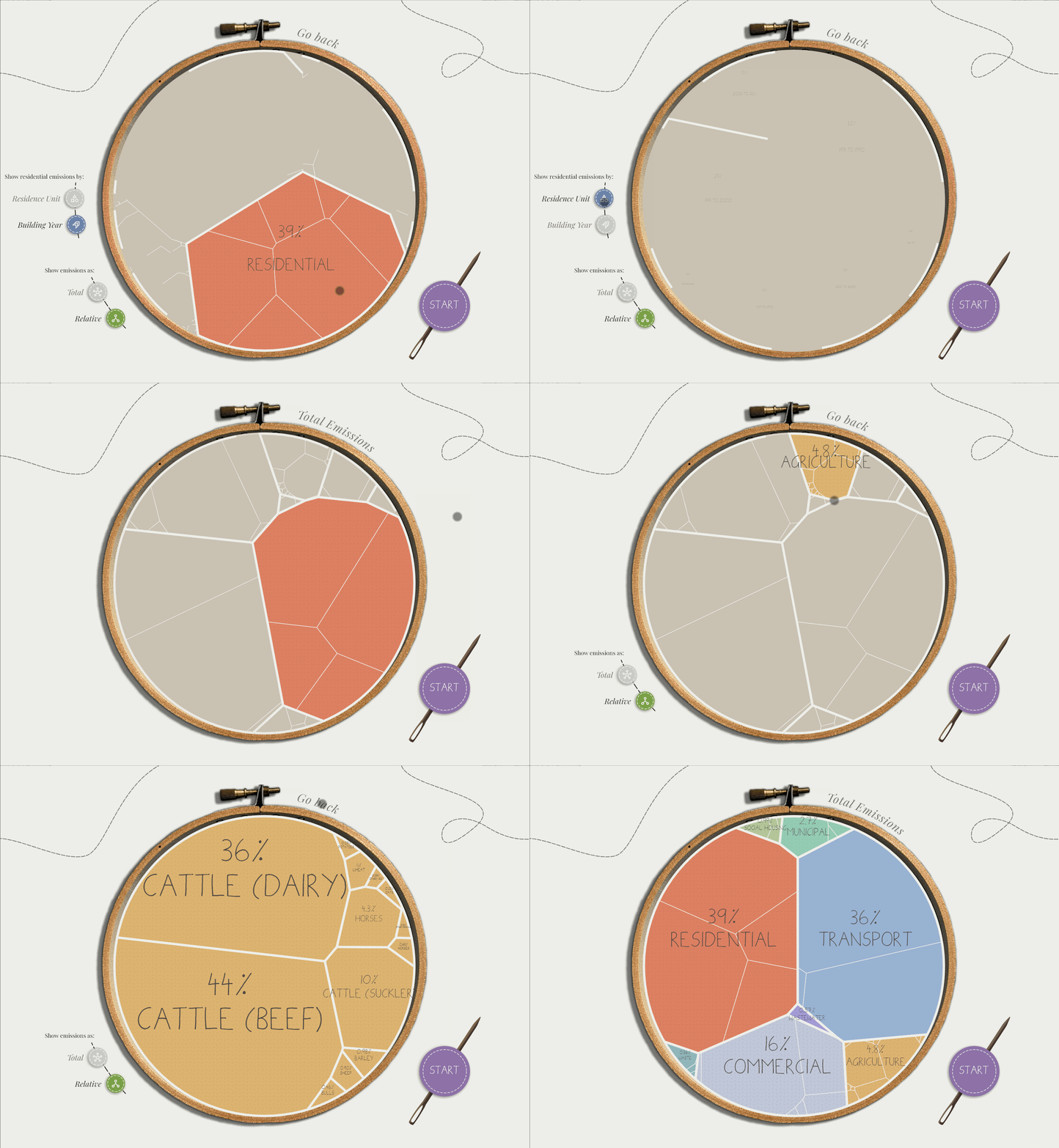
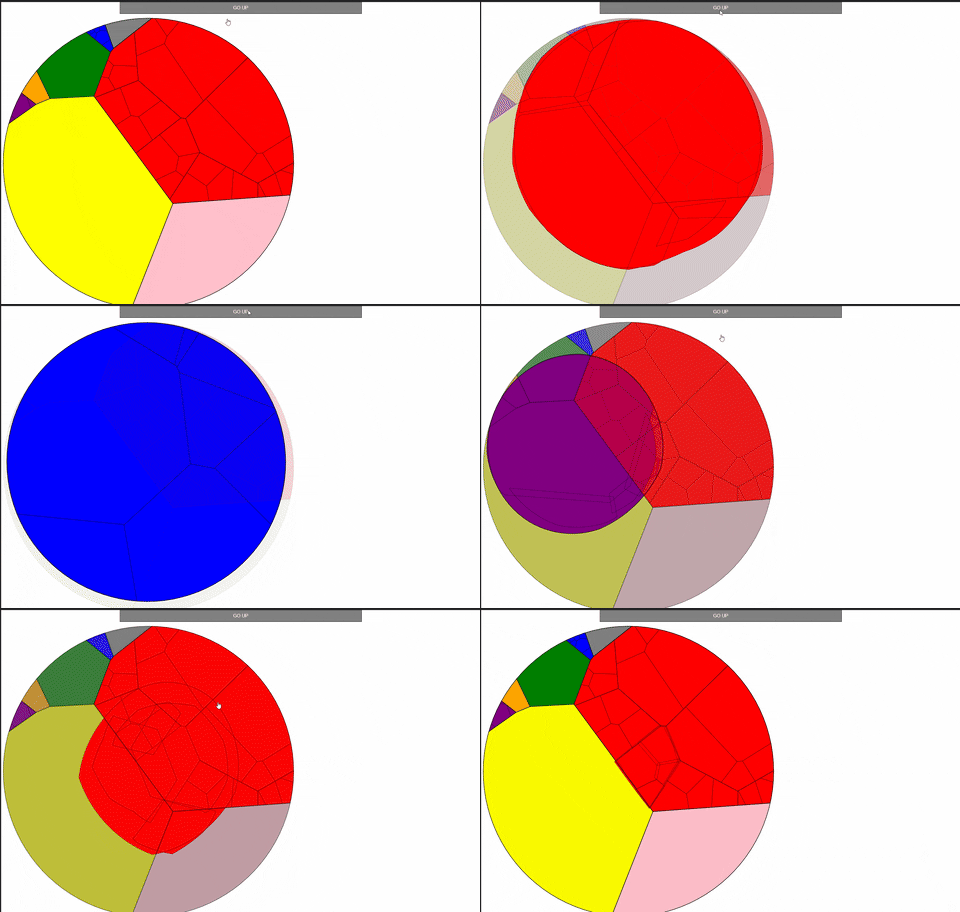
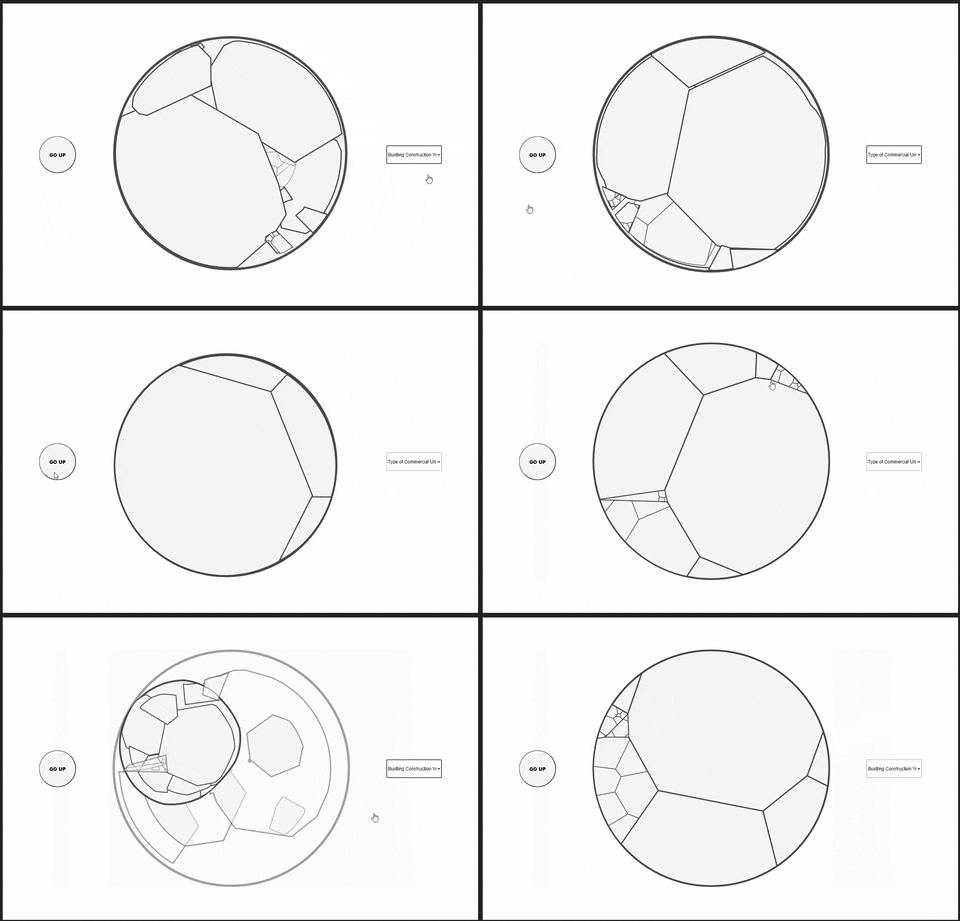
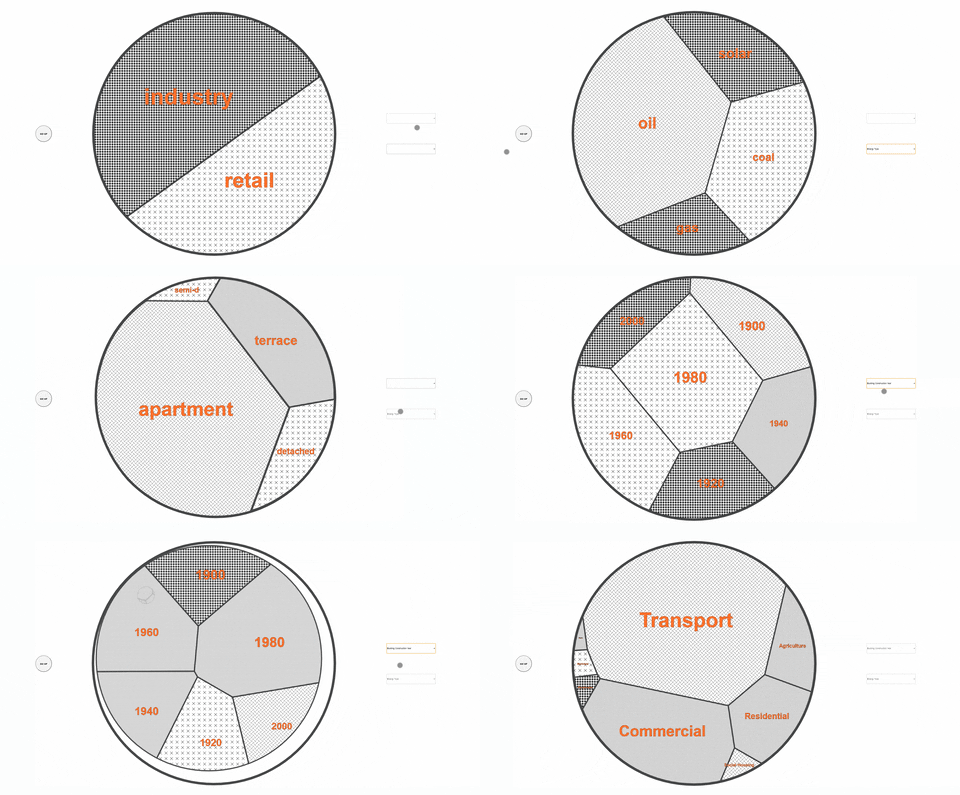
I used D3’s Voronoi tessellation to divide the town into sensor-influence zones. As emission values shift, GSAP morphs the cell boundaries and fills — the map physically reacts to what the air is doing.

Highlights
- D3 Voronoi tessellation recomputed on each data tick
- GSAP morphing keeps transitions smooth even at high update frequency
- Hover state surfaces per-sensor readings without cluttering the base view
- Sensor influence zones give spatial intuition to abstract air-quality numbers